

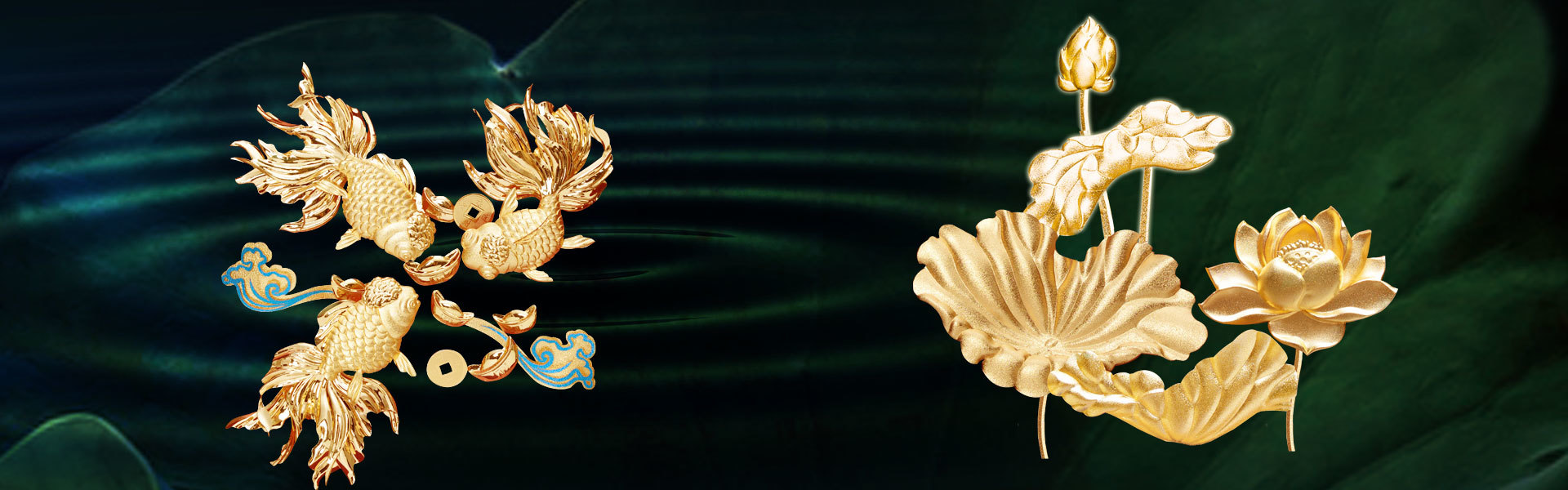

Exploring the Intricacies of Three-Dimensional Gold Foil Art: A Journey into Craftsmanship and Creativity
Time :
2025-04-02
Exploring the Intricacies of Three-Dimensional Gold Foil Art Table of Contents 1. Introduction to Gold Foil Art 2. The History of Gold Foil Art 3. Techniques Used in Three-Dimensional Gold Foil Art 4. Essential Materials for Creating Gold Foil Art 5. Popular Designs and Themes in Gold Foil Art 6. Tips for Collecting Gold Foil Art 7. Caring for Your Gold Foil Art Creations 8. Concl
Exploring the Intricacies of Three-Dimensional Gold Foil Art
Table of Contents
- 1. Introduction to Gold Foil Art
- 2. The History of Gold Foil Art
- 3. Techniques Used in Three-Dimensional Gold Foil Art
- 4. Essential Materials for Creating Gold Foil Art
- 5. Popular Designs and Themes in Gold Foil Art
- 6. Tips for Collecting Gold Foil Art
- 7. Caring for Your Gold Foil Art Creations
- 8. Conclusion
- 9. FAQs
1. Introduction to Gold Foil Art
Three-dimensional gold foil art represents a remarkable blend of traditional craftsmanship and modern creative expression. This art form employs thin sheets of gold, delicately applied to various surfaces, resulting in radiant and textured pieces that captivate the viewer. As we embark on this exploration, we will uncover the intricate processes involved in creating these mesmerizing artworks, the historical significance, and the materials that make them possible.
2. The History of Gold Foil Art
The origins of gold foil art can be traced back thousands of years across various cultures. Ancient civilizations, such as the Egyptians and Romans, utilized gold leaf in their decorative arts, signifying wealth, divinity, and power. In the East, particularly in China and Japan, gold foil has long been used in religious artifacts and traditional crafts.
Throughout history, gold foil has not only adorned objects of significance but has also evolved into a contemporary medium for artists worldwide. Today, artists incorporate gold foil into paintings, sculptures, and mixed media works, showcasing its versatility and timeless allure.
3. Techniques Used in Three-Dimensional Gold Foil Art
The creation of three-dimensional gold foil art involves several sophisticated techniques that require skill and creativity. Here are some prominent methods used:
3.1 Gilding
Gilding is the process of applying gold foil to a surface. This meticulous technique can be executed using various methods, including water gilding and oil gilding. Each method offers distinct results, contributing to the artwork's overall texture and shine.
3.2 Layering
Artists often use layering techniques to enhance the depth of their gold foil works. By layering different colored papers or materials beneath the gold foil, they create a captivating contrast that brings the piece to life.
3.3 Texturing
Texturing involves manipulating the gold foil to achieve various effects. Artists may crumple, fold, or apply pressure to the foil, producing unique patterns and dimensions that add complexity to the artwork.
3.4 Incorporating Other Media
Gold foil can be combined with other materials such as acrylics, watercolors, or digital elements. This interplay of mediums allows artists to explore innovative designs and broaden the scope of their artistic expression.
4. Essential Materials for Creating Gold Foil Art
To create stunning three-dimensional gold foil art, certain materials are essential:
4.1 Gold Foil Sheets
The primary material is, of course, the gold foil itself. Available in various karats and finishes, artists choose the type based on the desired effect and budget.
4.2 Adhesives
Special adhesives, often called gilders’ sizes, are crucial for securing the gold foil to the substrate. These adhesives are formulated to provide the right amount of tackiness to ensure proper adhesion without damaging the foil.
4.3 Tools and Brushes
A variety of tools, including gilding brushes, spatulas, and knives, help artists manipulate and apply the gold foil with precision.
4.4 Base Materials
The choice of base material, whether canvas, wood, or paper, significantly impacts the final appearance of the artwork. Each surface offers unique textural qualities that can enhance or alter the effect of the gold foil.
5. Popular Designs and Themes in Gold Foil Art
The versatility of gold foil art allows for a wide range of designs and themes. Some popular choices include:
5.1 Nature-Inspired Designs
Many artists draw inspiration from nature, incorporating floral motifs, landscapes, and animal forms that reflect the beauty of the natural world.
5.2 Abstract Art
Abstract designs dominate the contemporary gold foil scene, allowing artists to experiment with shapes, colors, and textures, resulting in striking and modern pieces.
5.3 Spiritual and Cultural Themes
Gold foil is often used in spiritual and cultural contexts, featuring symbols and icons that resonate with specific beliefs and traditions.
5.4 Personalized Art
Custom pieces that incorporate personal elements, such as names or significant dates, have gained popularity, making gold foil art a cherished gift or memento.
6. Tips for Collecting Gold Foil Art
For those interested in collecting gold foil art, here are some essential tips:
6.1 Research the Artist
Understanding an artist's background, style, and previous works can provide insight into their creative process and the value of their pieces.
6.2 Assess Quality and Authenticity
Examine the craftsmanship of the artwork. High-quality gold foil art should exhibit precise application and well-thought-out design. Verify authenticity to ensure you are investing in genuine pieces.
6.3 Consider the Artwork's Condition
Inspect the condition of the artwork. Look for any signs of damage, wear, or improper storage that may affect its value.
6.4 Invest in Framing
Proper framing is vital for preserving gold foil art. Choose UV-protective glass and acid-free materials to safeguard the artwork from fading and deterioration.
7. Caring for Your Gold Foil Art Creations
Taking care of your gold foil art is crucial to maintaining its beauty and longevity:
7.1 Clean Carefully
Dust your artwork gently with a soft, dry cloth. Avoid using any harsh chemicals or cleaners that could damage the gold foil.
7.2 Control the Environment
Keep your gold foil art away from direct sunlight and high humidity. Ideal conditions help preserve the integrity of the materials.
7.3 Regular Inspection
Periodically check your artwork for any signs of wear or damage. Early intervention can prevent further deterioration.
8. Conclusion
Three-dimensional gold foil art is a captivating blend of tradition and innovation. As we have explored, the intricate techniques, rich history, and diverse designs make it a unique form of expression. Whether you are an artist, a collector, or simply an admirer of this art form, understanding its nuances enhances the appreciation of these extraordinary creations. The world of gold foil art invites you to explore the shimmering beauty and creativity that awaits.
9. FAQs
What is gold foil art?
Gold foil art refers to the artistic application of thin sheets of gold leaf to create visually stunning designs and textures on various surfaces.
How is gold foil applied to art?
Gold foil is typically applied using a technique called gilding, which involves the use of adhesives to secure the foil to the chosen substrate.
What materials are needed to create gold foil art?
Key materials include gold foil sheets, adhesives, brushes, and a suitable base material such as canvas or wood.
Can gold foil art be preserved?
Yes, gold foil art can be preserved with proper care, including appropriate cleaning methods, environmental control, and protective framing.
What themes are commonly found in gold foil art?
Common themes include nature, abstract designs, spiritual symbols, and personalized elements, allowing for a wide variety of artistic expression.
Latest news
Our May Day holiday is from May 1 to May 5. Please forgive me for any inconvenience caused during the holiday.
2024-04-26
The 32nd China (Shenzhen) International Gift Crafts Watch and Household Goods Exhibition
The 32nd China (Shenzhen) International Gifts, Crafts, Clocks and Household Goods Exhibition
2024-04-11
Wechat scanning code
Company address: the first floor and the second to third floors of plant 5 (East 1) at No. 2, Xinqing Second Road, Xinqing Science and Technology Industrial Park, Doumen District, Zhuhai
Tel:+86756-5103959 Phone:+8618926983250 Mail:service@hjdart.cn
Three dimensional gold foil paintings, three-dimensional gold foil flowers, enterprise business gift customization, wedding gifts, craft gifts
Copyright © 2024 Zhuhai hongjindu Crafts Co., Ltd
Powered by : www.300.cn SEO [ Privacy Policy ]
Online Message