

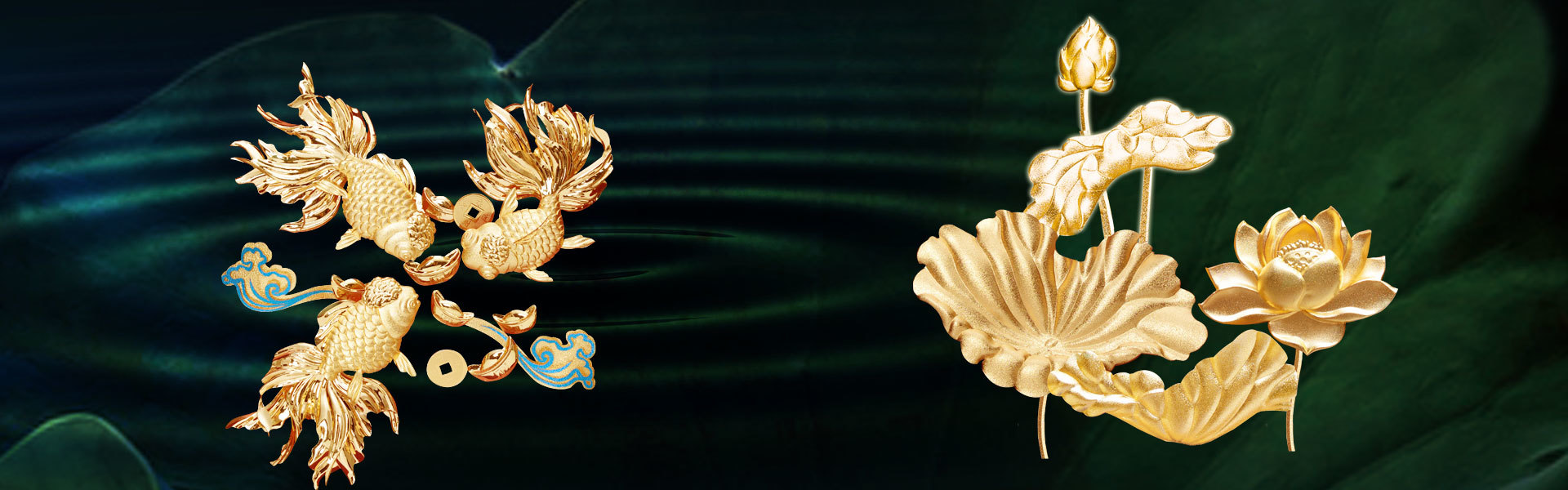

The Timeless Beauty of Zen-Jinglian Three-Dimensional Ornaments: A Deep Dive into Craftsmanship and Elegance
Time :
2026-07-02
The Timeless Beauty of Zen-Jinglian Three-Dimensional Ornaments In the realm of decorative arts, few items capture the essence of beauty and craftsmanship as profoundly as Zen-Jinglian three-dimensional ornaments. Renowned for their exquisite detailing and intricate designs, these metal ornaments not only serve as decorations but also as symbols of cultural heritage and artistic innovation. This a
The Timeless Beauty of Zen-Jinglian Three-Dimensional Ornaments
In the realm of decorative arts, few items capture the essence of beauty and craftsmanship as profoundly as Zen-Jinglian three-dimensional ornaments. Renowned for their exquisite detailing and intricate designs, these metal ornaments not only serve as decorations but also as symbols of cultural heritage and artistic innovation. This article delves into the captivating world of Zen-Jinglian three-dimensional ornaments, unraveling their history, craftsmanship, and the emotional connections they foster.
Table of Contents
- 1. The Rich History of Zen-Jinglian Ornaments
- 2. The Art of Craftsmanship: Materials and Techniques
- 3. Design Inspirations: Nature, Culture, and Philosophy
- 4. Aesthetic Appeal: Why Zen-Jinglian Ornaments Stand Out
- 5. Incorporating Zen-Jinglian Ornaments into Home Decor
- 6. Caring for Your Zen-Jinglian Ornaments
- 7. Popular Collections of Zen-Jinglian Ornaments
- 8. Frequently Asked Questions
- 9. Conclusion
1. The Rich History of Zen-Jinglian Ornaments
Zen-Jinglian ornaments have a storied history that traces back centuries. Originating from ancient artisan practices, these metal crafts were initially created for religious and ceremonial purposes. Artisans would meticulously design each piece, channeling their spiritual beliefs and cultural narratives into their work. Over time, the evolution of techniques and aesthetics led to the creation of three-dimensional ornaments that reflect both tradition and contemporary style.
The significance of these ornaments goes beyond mere decoration; they are a testament to the craftsmanship of generations. Each ornament tells a story, often inspired by traditional folklore, nature, and philosophical concepts. This rich heritage is what makes Zen-Jinglian ornaments not only beautiful but also meaningful.
2. The Art of Craftsmanship: Materials and Techniques
At the heart of Zen-Jinglian three-dimensional ornaments lies the meticulous craftsmanship that defines their beauty. Artisans employ a variety of materials, with metal being the most prominent due to its durability and versatility. The choice of metal often includes brass, copper, and stainless steel, each imparting its unique character to the finished product.
Traditional techniques play a crucial role in the creation of these ornaments. Techniques such as casting, engraving, and welding are combined to achieve the intricate details that Zen-Jinglian pieces are known for. The process begins with sketching designs that capture the desired aesthetic, followed by the careful crafting of each element. This labor-intensive approach ensures that every ornament is a unique work of art, reflecting the artisan's vision and skill.
2.1 The Role of Technology in Modern Crafting
While traditional methods remain vital, modern technology has also found its place in the crafting of Zen-Jinglian ornaments. Techniques such as laser cutting and 3D printing allow for more precise designs and intricate patterns that were previously impossible. These advancements enable artisans to maintain high standards of quality while exploring innovative designs that push the boundaries of traditional craftsmanship.
3. Design Inspirations: Nature, Culture, and Philosophy
The design of Zen-Jinglian three-dimensional ornaments draws heavily from various inspirations, with nature being a predominant theme. Artisans often look to flora and fauna, capturing the beauty and essence of the natural world in their creations. This connection to nature not only enhances the visual appeal but also fosters a sense of tranquility and harmony in the viewer.
Moreover, cultural elements play a significant role in the design process. Many ornaments incorporate symbols and motifs that resonate with cultural narratives, reflecting the beliefs and values of the society from which they originate. This blending of nature and culture creates a rich tapestry of meanings, making each piece not just an ornament but a conversation starter about art, history, and philosophy.
3.1 The Influence of Zen Philosophy
Zen philosophy, with its focus on simplicity, mindfulness, and the beauty of imperfection, greatly influences the design of these ornaments. The concept of 'wabi-sabi,' which celebrates the beauty found in impermanence and imperfection, is often evident in the asymmetrical shapes and earthy finishes of Zen-Jinglian ornaments. This philosophical foundation encourages viewers to appreciate the subtle details and the story behind each piece.
4. Aesthetic Appeal: Why Zen-Jinglian Ornaments Stand Out
The aesthetic appeal of Zen-Jinglian three-dimensional ornaments is undeniable. Their unique designs, coupled with the skillful craftsmanship, create visually stunning pieces that catch the eye and evoke admiration. The combination of different metals, finishes, and textures adds depth to the ornaments, making them focal points in any setting.
Moreover, the three-dimensional aspect of these ornaments allows them to engage viewers in a dynamic way. Unlike traditional flat artworks, three-dimensional pieces invite exploration from various angles, revealing new details with each observation. This interactive quality enhances their allure, making them perfect for both personal enjoyment and as gifts.
4.1 Color and Finish Variations
Zen-Jinglian ornaments come in a variety of colors and finishes, catering to diverse aesthetics and preferences. Whether one prefers the warm glow of polished brass, the rustic charm of oxidized copper, or the sleek modernity of stainless steel, there is a Zen-Jinglian ornament to suit every taste. These variations allow individuals to incorporate these beautiful pieces into their home decor seamlessly.
5. Incorporating Zen-Jinglian Ornaments into Home Decor
Integrating Zen-Jinglian three-dimensional ornaments into home decor can transform a space, adding character and elegance. Here are several ways to effectively showcase these stunning pieces:
5.1 Statement Pieces
Utilizing large Zen-Jinglian ornaments as statement pieces can add a dramatic flair to any room. Placing them on a mantel, coffee table, or entryway table draws attention and provides a focal point that encourages conversation.
5.2 Complementary Arrangements
For a more subtle approach, consider grouping smaller ornaments together. Arranging them in clusters on shelves or side tables can create a harmonious display that showcases their intricate designs without overwhelming the space.
5.3 Utilizing Natural Light
Positioning Zen-Jinglian ornaments near natural light sources can enhance their visual appeal. The interplay of light and shadow on the metal surfaces creates a captivating display, allowing the ornaments to shine in their full glory.
6. Caring for Your Zen-Jinglian Ornaments
To maintain the beauty and integrity of Zen-Jinglian three-dimensional ornaments, proper care is essential. Here are some tips for preserving their stunning appearance:
6.1 Regular Cleaning
Regular dusting is crucial to prevent dirt build-up. Use a soft cloth or microfiber cloth to gently wipe the surface. For deeper cleaning, consider using a mild soap solution and rinsing with clean water, followed by drying with a soft cloth.
6.2 Avoiding Harsh Chemicals
Avoid using abrasive cleaners or chemicals that can scratch or damage the metal finish. Opt for products specifically designed for metal care to maintain their luster.
6.3 Proper Storage
When not on display, store Zen-Jinglian ornaments in a cool, dry place. Consider using protective wrapping to prevent scratches during storage, especially for delicate pieces.
7. Popular Collections of Zen-Jinglian Ornaments
Several collections of Zen-Jinglian three-dimensional ornaments stand out for their unique themes and designs. Some notable collections include:
7.1 Nature-Inspired Collection
This collection features ornaments inspired by the beauty of the natural world, including designs reminiscent of leaves, flowers, and animals. Each piece captures the essence of nature, bringing a touch of the outdoors into any space.
7.2 Cultural Heritage Collection
Highlighting motifs and symbols from various cultures, this collection celebrates global artistry. These ornaments serve as conversation starters, inviting discussions about their cultural significance and history.
7.3 Abstract Art Collection
For those who appreciate contemporary art, the abstract art collection of Zen-Jinglian ornaments offers unique shapes and forms that challenge traditional perceptions of beauty. Each piece embodies creativity and artistic expression, making them perfect for modern homes.
8. Frequently Asked Questions
8.1 What materials are used in Zen-Jinglian ornaments?
Zen-Jinglian ornaments are primarily made from metals such as brass, copper, and stainless steel, chosen for their durability and aesthetic qualities.
8.2 How do I clean and maintain my Zen-Jinglian ornaments?
Regular dusting is important. For deeper cleaning, use a mild soap solution and avoid harsh chemicals that can damage the finish.
8.3 Can I use Zen-Jinglian ornaments outdoors?
While some ornaments may be suitable for outdoor use, it is generally recommended to display them indoors to protect them from the elements and prolong their lifespan.
8.4 How do I choose the right Zen-Jinglian ornament for my space?
Consider the size, color, and design of the ornament in relation to your existing decor. Look for pieces that resonate with your personal style and complement your space.
8.5 Are Zen-Jinglian ornaments suitable as gifts?
Absolutely! Zen-Jinglian ornaments make thoughtful gifts for various occasions, showcasing unique artistry and cultural significance that recipients are likely to appreciate.
9. Conclusion
The allure of Zen-Jinglian three-dimensional ornaments lies in their perfect blend of artistry, tradition, and modern aesthetics. With a rich history that celebrates craftsmanship and cultural narratives, each piece is not merely an ornament but a story waiting to be told. Whether used as a statement piece in your home decor or gifted to a loved one, these ornaments encapsulate timeless beauty and elegance. By understanding their significance and how to care for them, you can ensure that these exquisite works of art bring joy and inspiration for years to come.
Latest news
Our May Day holiday is from May 1 to May 5. Please forgive me for any inconvenience caused during the holiday.
2024-04-26
The 32nd China (Shenzhen) International Gift Crafts Watch and Household Goods Exhibition
The 32nd China (Shenzhen) International Gifts, Crafts, Clocks and Household Goods Exhibition
2024-04-11
Wechat scanning code
Company address: the first floor and the second to third floors of plant 5 (East 1) at No. 2, Xinqing Second Road, Xinqing Science and Technology Industrial Park, Doumen District, Zhuhai
Tel:+86756-5103959 Phone:+8618926983250 Mail:service@hjdart.cn
Three dimensional gold foil paintings, three-dimensional gold foil flowers, enterprise business gift customization, wedding gifts, craft gifts
Copyright © 2024 Zhuhai hongjindu Crafts Co., Ltd
Powered by : www.300.cn SEO [ Privacy Policy ]
Online Message