

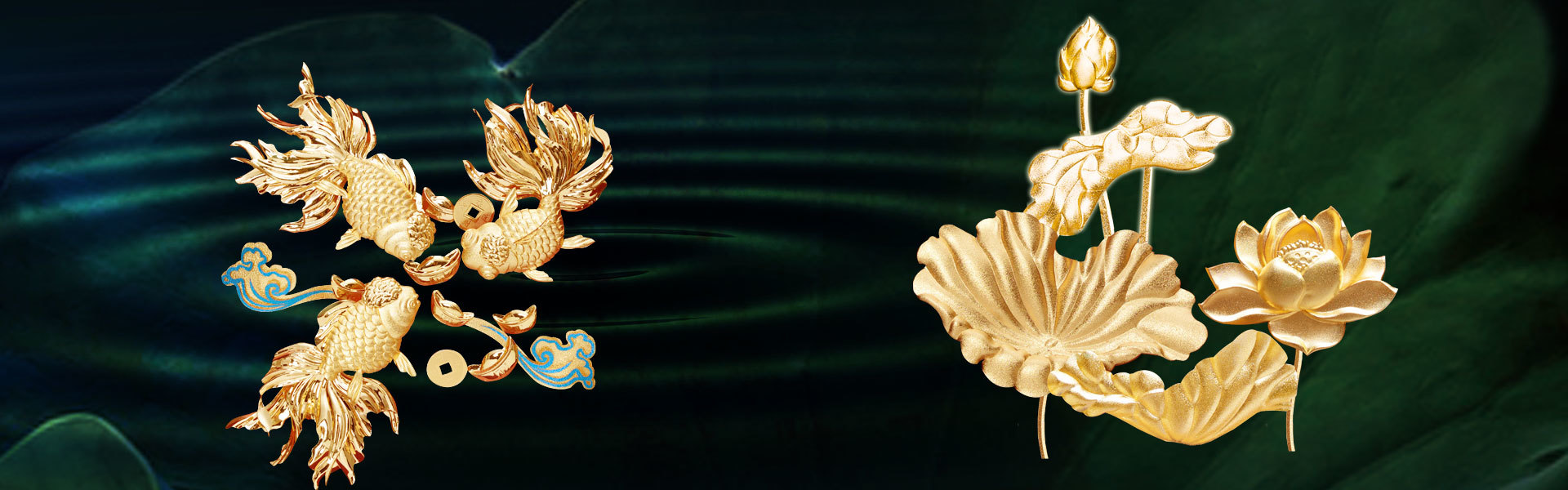

The Role of Zen-Jinglian Ornaments in Cultural Craftsmanship
Time :
2026-10-06
The Role of Zen-Jinglian Ornaments in Cultural Craftsmanship Table of Contents 1. Introduction to Zen-Jinglian Ornaments 2. Historical Background of Zen-Jinglian Craftsmanship 3. Importance of Materials in Zen-Jinglian Ornaments 4. The Aesthetic Appeal of Zen-Jinglian Ornaments 5. Cultural Significance of Zen-Jinglian Ornaments 6. Techniques Used in Creating Zen-Jingli
The Role of Zen-Jinglian Ornaments in Cultural Craftsmanship
Table of Contents
- 1. Introduction to Zen-Jinglian Ornaments
- 2. Historical Background of Zen-Jinglian Craftsmanship
- 3. Importance of Materials in Zen-Jinglian Ornaments
- 4. The Aesthetic Appeal of Zen-Jinglian Ornaments
- 5. Cultural Significance of Zen-Jinglian Ornaments
- 6. Techniques Used in Creating Zen-Jinglian Ornaments
- 7. Modern Interpretations of Zen-Jinglian Ornaments
- 8. Conclusion: The Future of Zen-Jinglian Ornaments in Craftsmanship
- 9. FAQs
1. Introduction to Zen-Jinglian Ornaments
Zen-Jinglian ornaments hold a **significant** place in the realm of **cultural craftsmanship**, combining aesthetic appeal with rich historical narratives. Originating from traditional craftsmanship, these ornaments not only serve decorative purposes but also embody cultural heritage and artistic expression. This article delves deep into the role of Zen-Jinglian ornaments, exploring their history, materials, significance, and modern interpretations.
2. Historical Background of Zen-Jinglian Craftsmanship
The history of Zen-Jinglian craftsmanship can be traced back to ancient traditions where artistry was intertwined with daily life. The term "Zen-Jinglian" itself reflects the philosophy behind the craft, emphasizing **balance, harmony, and mindfulness**. Traditionally, artisans employed techniques passed down through generations, using tools and methods that further enhanced their craftsmanship.
In ancient societies, ornaments were not mere accessories; they played vital roles in rituals and ceremonies. The Zen-Jinglian technique, characterized by meticulous metalwork, symbolizes the fusion of functionality and artistry. Through ages, these ornaments have transformed but retain their essence, continuing to tell stories of cultural heritage.
3. Importance of Materials in Zen-Jinglian Ornaments
The materials used in Zen-Jinglian ornaments significantly impact their aesthetic and functional qualities. Artisans often select metals such as **brass, copper**, and **silver** for their durability and ability to be intricately shaped. Each material carries its own symbolism and significance in various cultures.
- **Brass:** Known for its warm gold-like appearance, brass is often used for creating intricate designs, symbolizing prosperity and abundance.
- **Copper:** With a rich reddish hue, copper is traditionally believed to have health benefits and is frequently used in spiritual ornaments.
- **Silver:** Silver is often associated with purity and clarity, making it a popular choice for ceremonial pieces and offerings.
The choice of material directly influences the texture, color, and overall appearance of the ornaments, allowing artisans to express their creativity while preserving cultural significance.
4. The Aesthetic Appeal of Zen-Jinglian Ornaments
Zen-Jinglian ornaments are celebrated for their **unique designs** and intricate patterns that often draw inspiration from nature, mythology, and cultural symbols. The aesthetic appeal is not just in their visual representation but also in the emotions they evoke.
Artisans tend to incorporate **floral motifs, geometric patterns**, and **mythical creatures** into their designs, creating a captivating interplay between form and function. Each ornament tells a story, inviting observers to engage with its cultural narrative.
The minimalist yet profound aesthetic of Zen-Jinglian ornaments aligns with the principles of Zen philosophy—simplicity, tranquility, and mindfulness. This aesthetic appeal makes them popular in various settings, from traditional ceremonies to contemporary interior designs.
5. Cultural Significance of Zen-Jinglian Ornaments
The cultural significance of Zen-Jinglian ornaments extends beyond mere decoration. They are often imbued with symbolic meanings that resonate deeply within communities. For instance, certain designs may represent **luck, fertility**, or **protection**, making them cherished items during important life events such as weddings, births, and festivals.
Moreover, Zen-Jinglian ornaments serve as a medium for cultural expression, allowing artisans to showcase their unique identities and heritage. In a rapidly globalizing world, these ornaments provide a tangible connection to cultural roots, preserving traditions that might otherwise be forgotten.
The act of gifting Zen-Jinglian ornaments further enhances their cultural role, symbolizing goodwill and fostering community bonds. They often become heirlooms, passed down through generations, ensuring that the stories and craftsmanship continue to thrive.
6. Techniques Used in Creating Zen-Jinglian Ornaments
Creating Zen-Jinglian ornaments involves a series of **meticulous techniques** that require skill, patience, and a deep understanding of materials. Some key techniques employed by artisans include:
- **Hammering:** This technique is essential for shaping the metal and creating texture. Artisans often hammer the metal to form intricate designs.
- **Etching:** By using sharp tools, artisans can carve out designs and patterns, adding depth and detail to the ornaments.
- **Casting:** This method involves pouring molten metal into molds to create complex shapes and designs, allowing for more intricate patterns.
- **Polishing:** After the ornament is shaped, polishing is essential for enhancing its shine and revealing the beauty of the material used.
Each technique contributes to the overall quality and uniqueness of the final product, showcasing the artisan's craftsmanship and dedication to their trade.
7. Modern Interpretations of Zen-Jinglian Ornaments
In recent years, Zen-Jinglian ornaments have seen a resurgence in popularity, particularly in the context of modern design. Contemporary artisans blend traditional techniques with innovative designs, appealing to a broader audience.
Modern interpretations often incorporate **sustainable materials**, reflecting a growing awareness of environmental concerns. Artisans are now experimenting with alternative metals and eco-friendly practices, ensuring that the beauty of Zen-Jinglian craftsmanship aligns with contemporary values.
Additionally, the integration of Zen-Jinglian ornaments into modern spaces, such as homes and workplaces, highlights their versatility. They are no longer confined to traditional settings but are embraced in contemporary decor, enhancing aesthetic appeal while retaining their cultural significance.
8. Conclusion: The Future of Zen-Jinglian Ornaments in Craftsmanship
The role of Zen-Jinglian ornaments in cultural craftsmanship is both profound and evolving. As we continue to celebrate their beauty and significance, it is essential to recognize the artisans who dedicate their lives to preserving these traditions. The fusion of traditional techniques with modern interpretations ensures that Zen-Jinglian ornaments will remain relevant, reflecting the ever-changing landscape of culture and artistry.
By embracing the stories, materials, and techniques behind these ornaments, we contribute to a rich tapestry of cultural craftsmanship that honors the past while looking towards the future.
9. FAQs
What are Zen-Jinglian ornaments?
Zen-Jinglian ornaments are metal crafts that embody traditional craftsmanship, reflecting cultural heritage and artistic expression.
What materials are commonly used in Zen-Jinglian ornaments?
Common materials include brass, copper, and silver, each carrying its own symbolism and aesthetic qualities.
What techniques are used in Zen-Jinglian ornament creation?
Techniques include hammering, etching, casting, and polishing, each contributing to the final design and quality of the ornament.
How do Zen-Jinglian ornaments symbolize cultural significance?
These ornaments often represent luck, protection, and community bonds, playing vital roles in life events and ceremonies.
What is the future of Zen-Jinglian ornaments in modern design?
The future is bright, with contemporary artisans blending traditional techniques with modern aesthetics and sustainable practices, ensuring their relevance in today’s world.
Latest news
Our May Day holiday is from May 1 to May 5. Please forgive me for any inconvenience caused during the holiday.
2024-04-26
The 32nd China (Shenzhen) International Gift Crafts Watch and Household Goods Exhibition
The 32nd China (Shenzhen) International Gifts, Crafts, Clocks and Household Goods Exhibition
2024-04-11
Wechat scanning code
Company address: the first floor and the second to third floors of plant 5 (East 1) at No. 2, Xinqing Second Road, Xinqing Science and Technology Industrial Park, Doumen District, Zhuhai
Tel:+86756-5103959 Phone:+8618926983250 Mail:service@hjdart.cn
Three dimensional gold foil paintings, three-dimensional gold foil flowers, enterprise business gift customization, wedding gifts, craft gifts
Copyright © 2024 Zhuhai hongjindu Crafts Co., Ltd
Powered by : www.300.cn SEO [ Privacy Policy ]
Online Message