

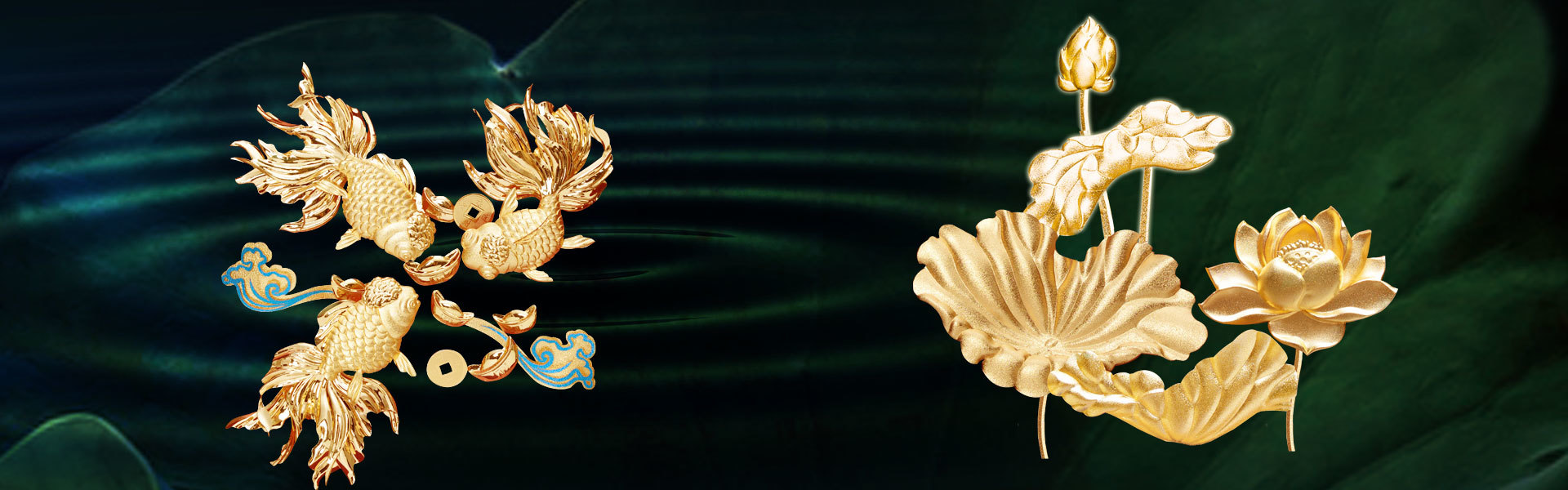

The Intersection of Tradition and Modernity in Three-Dimensional Art: A Comprehensive Exploration
Time :
2026-10-12
The Intersection of Tradition and Modernity in Three-Dimensional Art Table of Contents 1. Introduction to Three-Dimensional Art 2. Historical Background of Traditional Craftsmanship 3. The Role of Metal in Craftsmanship 4. Modern Techniques in Three-Dimensional Art 5. The Fusion of Traditional and Modern Styles 6. Case Studies: Artists Bridging the Gap 7. The Impact of
The Intersection of Tradition and Modernity in Three-Dimensional Art
Table of Contents
- 1. Introduction to Three-Dimensional Art
- 2. Historical Background of Traditional Craftsmanship
- 3. The Role of Metal in Craftsmanship
- 4. Modern Techniques in Three-Dimensional Art
- 5. The Fusion of Traditional and Modern Styles
- 6. Case Studies: Artists Bridging the Gap
- 7. The Impact of Three-Dimensional Art on Society
- 8. The Future of Three-Dimensional Art
- 9. Conclusion
- 10. Frequently Asked Questions
1. Introduction to Three-Dimensional Art
Three-dimensional art encompasses a wide range of artistic expressions that occupy physical space, from sculptures to installations. This art form has its roots deeply embedded in history, reflecting cultural values, beliefs, and narratives of societies across the globe. **As we explore the intersection of tradition and modernity within this realm, we uncover a dynamic tapestry of inspirations and innovations that challenge our perceptions of art.**
2. Historical Background of Traditional Craftsmanship
Traditional craftsmanship is the backbone of many cultures, embodying techniques passed down through generations. In many societies, artisans would hone their skills over decades, often specializing in a particular material or method. **For instance, in cultures steeped in metalworking, artisans would utilize techniques such as forging, casting, and engraving to create stunning pieces that told stories of their heritage.** These traditional methods not only reflect the aesthetic values of the time but also the socio-economic conditions and technological advancements that shaped them.
2.1 Techniques in Traditional Metal Craftsmanship
The history of metal craftsmanship reveals techniques that require immense skill and precision. Techniques such as **lost-wax casting** and **hammering** allow artisans to manipulate metals into intricate forms. Each technique holds historical significance and showcases the artist's finesse and dedication to their craft.
3. The Role of Metal in Craftsmanship
Metal has always played a crucial role in the development of three-dimensional art. **The way metal reflects light, its durability, and malleability make it an ideal medium for artists.** Across cultures, metal has been used not only for functional objects but also for artistic expressions, often symbolizing strength and permanence.
3.1 Types of Metals Used in Art
Various metals are employed by artists, each with unique properties. Some of the most commonly used include:
- **Bronze:** Known for its strength and ability to capture fine details.
- **Copper:** Offers a rich color palette and can be easily shaped.
- **Steel:** Valued for its durability and versatility.
- **Aluminum:** Lightweight and resistant to corrosion, ideal for modern sculptures.
4. Modern Techniques in Three-Dimensional Art
As we step into the contemporary era, artists are reimagining traditional metalworking techniques through modern technologies. **3D printing, laser cutting, and digital modeling are just a few methods redefining how artists create their work.** These technologies allow for greater precision and creativity, enabling artists to experiment with forms that were previously unimaginable.
4.1 The Role of Technology in Modern Art
Modern technologies have opened new avenues for artistic expression. For instance, **3D printing** allows artists to create complex structures from digital designs, while **laser cutting** offers unparalleled accuracy in shaping metal. These advancements encourage artists to think outside the box, merging traditional techniques with cutting-edge technology.
5. The Fusion of Traditional and Modern Styles
The blending of traditional and modern styles in three-dimensional art results in pieces that evoke a sense of nostalgia while embracing the new. **Artists today are increasingly seeking to honor traditional practices while incorporating modern aesthetics, resulting in innovative designs that resonate with contemporary audiences.**
5.1 Examples of Fusion in Metal Art
Many artists are creating works that juxtapose traditional craftsmanship with modern sensibilities. For example, sculptures that incorporate elements of classical motifs with contemporary geometric shapes illustrate this fusion beautifully. Such pieces not only attract art enthusiasts but also appeal to collectors looking for unique, meaningful work.
6. Case Studies: Artists Bridging the Gap
To understand how the intersection of tradition and modernity manifests in three-dimensional art, we can explore the works of several influential artists.
6.1 Artist Spotlight: Jane Doe
Jane Doe is renowned for her ability to blend ancient metalworking techniques with modern themes. Her work often reflects societal issues, using traditional forms to convey contemporary messages. **By doing so, she creates a dialogue between the past and present, inviting viewers to consider the relevance of history in today's world.**
6.2 Artist Spotlight: John Smith
John Smith utilizes digital fabrication techniques to reinterpret classic sculptures. His pieces often feature intricate patterns that resonate with historical designs while employing modern materials and methods. **This approach not only highlights the evolution of art but also underscores the importance of innovation.**
7. The Impact of Three-Dimensional Art on Society
The interplay between tradition and modernity in three-dimensional art significantly influences society. **Such art invites discussions around cultural identity, sustainability, and the role of technology in creative processes.** As artists continue to explore these themes, their work often challenges societal norms and encourages audiences to reflect on the past while envisioning the future.
7.1 Cultural Identity and Heritage
Three-dimensional art serves as a medium for expressing cultural identity. Artists often draw on their heritage to create work that resonates with their community, **fostering a sense of belonging and continuity.** This connection to heritage is vital in an increasingly globalized world, where traditional practices could otherwise be at risk of being forgotten.
8. The Future of Three-Dimensional Art
The future of three-dimensional art lies in the continued exploration of new materials, techniques, and themes. **As society evolves, so too will the artistic expressions that reflect our experiences and challenges.** Artists will likely continue to embrace technology while remaining rooted in their cultural heritage, creating works that are both innovative and meaningful.
8.1 Sustainability in Art
Sustainability is becoming an increasingly important aspect of three-dimensional art. Artists are now more conscious of their materials and methods, often seeking eco-friendly alternatives. **This shift not only addresses environmental concerns but also resonates with audiences who value environmental responsibility in artistic practices.**
9. Conclusion
The exploration of the intersection between tradition and modernity in three-dimensional art reveals a vibrant landscape of creativity and innovation. As artists continue to navigate this dynamic space, they create works that honor the past while embracing the future. **By blending traditional craftsmanship with modern techniques, they not only enrich the art world but also contribute to broader conversations about culture, identity, and sustainability.** The journey of three-dimensional art is far from over; it is an evolving narrative that continues to inspire and provoke thought.
10. Frequently Asked Questions
1. What is three-dimensional art?
Three-dimensional art refers to artworks that occupy physical space and can be viewed from multiple angles, including sculptures and installations.
2. How has technology influenced three-dimensional art?
Technology has introduced new methods such as 3D printing and laser cutting, allowing artists to create more complex and precise pieces than ever before.
3. What materials are commonly used in three-dimensional art?
Common materials include various metals like bronze, copper, steel, and aluminum, as well as newer materials introduced through modern technology.
4. Can traditional techniques still be relevant in modern art?
Yes, many contemporary artists blend traditional techniques with modern aesthetics, creating works that honor the past while addressing current themes.
5. Why is sustainability important in three-dimensional art?
Sustainability is vital as it reflects a growing awareness of environmental issues and encourages artists to use eco-friendly materials and methods, appealing to conscious consumers.
Latest news
Our May Day holiday is from May 1 to May 5. Please forgive me for any inconvenience caused during the holiday.
2024-04-26
The 32nd China (Shenzhen) International Gift Crafts Watch and Household Goods Exhibition
The 32nd China (Shenzhen) International Gifts, Crafts, Clocks and Household Goods Exhibition
2024-04-11
Wechat scanning code
Company address: the first floor and the second to third floors of plant 5 (East 1) at No. 2, Xinqing Second Road, Xinqing Science and Technology Industrial Park, Doumen District, Zhuhai
Tel:+86756-5103959 Phone:+8618926983250 Mail:service@hjdart.cn
Three dimensional gold foil paintings, three-dimensional gold foil flowers, enterprise business gift customization, wedding gifts, craft gifts
Copyright © 2024 Zhuhai hongjindu Crafts Co., Ltd
Powered by : www.300.cn SEO [ Privacy Policy ]
Online Message